
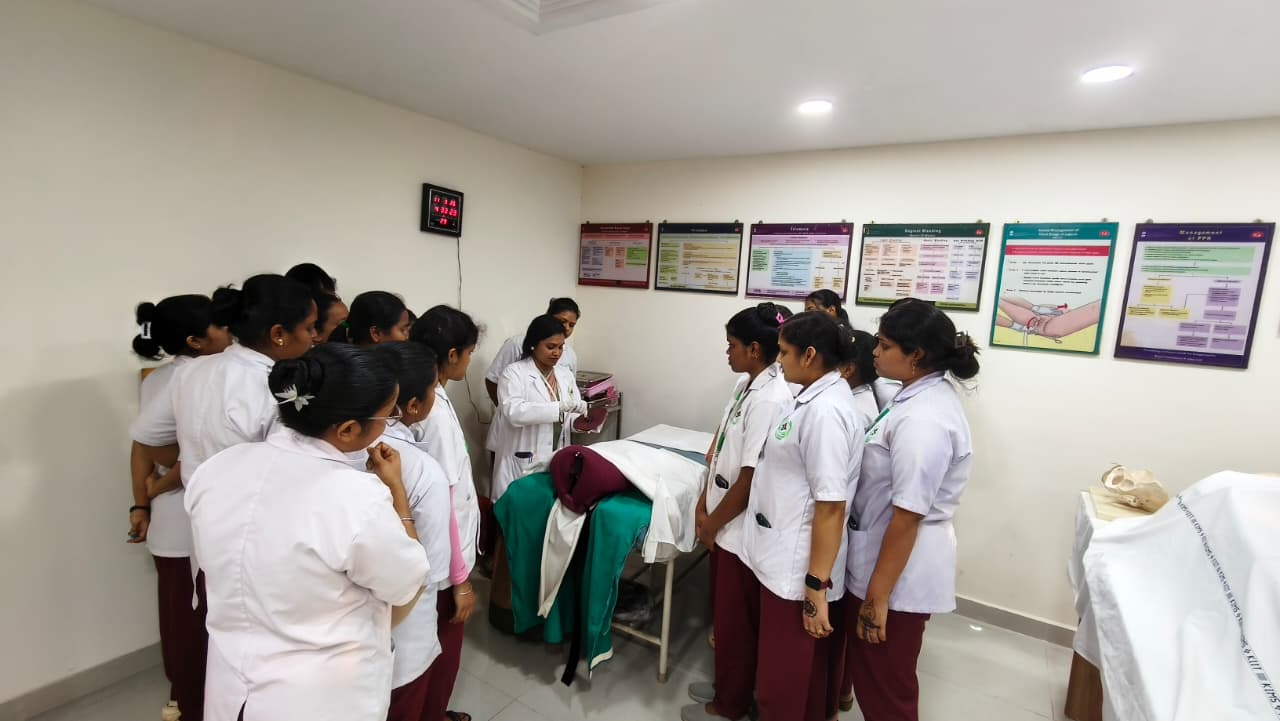
AIMS : To appreciate the Concepts and principles of midwifery and obstetrical nursing.
OBJECTIVES
- To acquire knowledge and skills in reducing nursing care to normal & high risk pregnant woman during antenatal and postnatal periods.
- To develops skills in managing normal and high risk neonates and participate in family welfare programme.
- To develop ability and skill for providing nursing care to mother and child.
FACILITIES
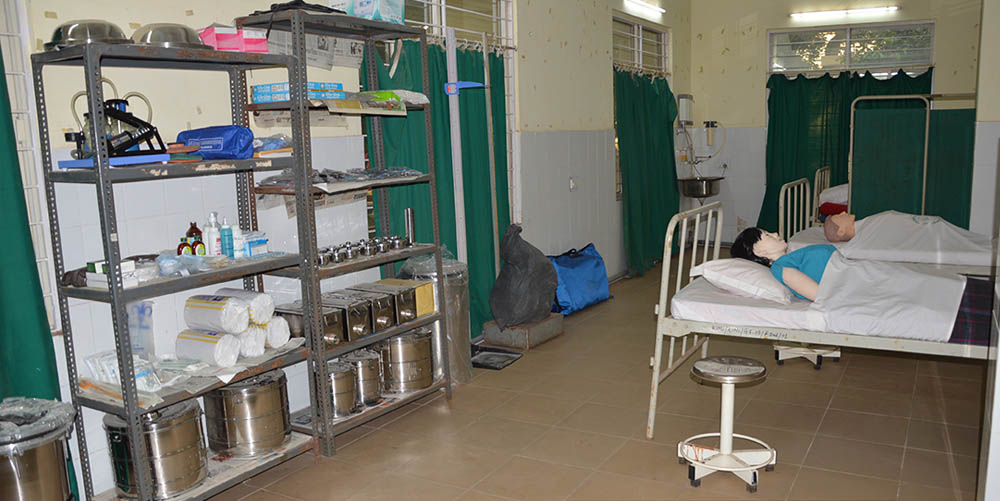
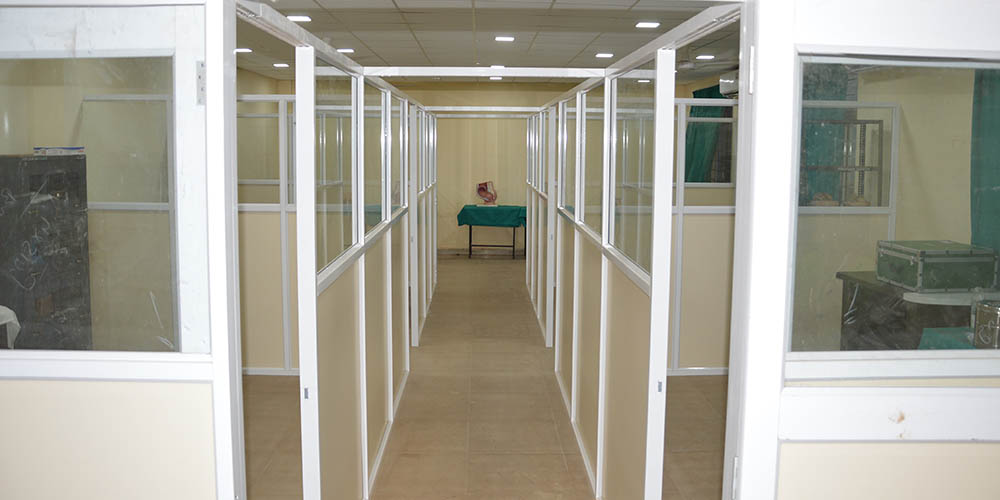
- We have M.C.H lab, which is well ventilated and well furnished and well equipped.
- In M.C.H lab we have the manikins like new-born baby, cardio pulmonary resuscitation child, foetus delivery.
- With this, models like stages of development of embryo, foot presentation, Types of spinabifida, face presentation, brow presentation, growth of the womb during pregnancy, placenta previa, stages of labour.
- Also, the lab contains specimen like fibro adenoma breast, uterus and ovary, fibroid uterus, aborted fetus, fibro edema breast, and instruments like cusco’s speculum, cord cutting scissors, pelvinometer, sim’s vaginal speculum, uterine sound, ovum forcep, feotoscope.
Additional Practical Activities
Demonstration of hand washing and surgical asepsis techniques
Preparation of labour room (delivery room) setup
Monitoring of vital signs of antenatal and postnatal mothers
Demonstration of abdominal palpation (Leopold’s maneuvers)
Assessment of fetal heart rate (FHR) using Doppler/stethoscope
Observation and recording of partograph during labour
Assisting in vaginal examination under supervision
Demonstration of episiotomy suturing (simulation/model)
Care and monitoring of high-risk pregnancy cases
Identification and management of common antenatal complications (e.g., anemia, PIH)
Postnatal Care Activities
Assessment of postnatal mother (uterus involution, lochia, breast condition)
Demonstration of breastfeeding techniques and positioning
Counseling mothers on exclusive breastfeeding
Care of postnatal perineal wounds and hygiene
Monitoring for postpartum complications
Newborn Care Expansion
Assessment of APGAR score
Identification of danger signs in newborns
Maintenance of newborn warmth (kangaroo mother care)
Immunization procedure and schedule explanation
Recording growth parameters (weight, length, head circumference)
Care of low birth weight (LBW) babies
Emergency & Critical Care
Management of obstetric emergencies (PPH, eclampsia – demo/simulation)
Demonstration of IV fluid administration in maternal care
Assisting in oxygen therapy for mother/newborn
Preparation of emergency drug tray
Instrument & Procedure-Based Learning
Identification and use of labour room instruments
Demonstration of catheterization procedure
Preparation and care of sterilization equipment (autoclave)
Biomedical waste segregation and disposal practices
Health Education & Community Activities
Conducting antenatal clinics (ANC)
Health education on:
Nutrition during pregnancy
Personal hygiene
Birth preparedness
Awareness programs on family planning methods
Counseling on spacing methods and contraceptives
Documentation & Records
Maintaining case sheets and nursing records
Writing antenatal, intranatal, and postnatal reports
Preparing discharge summaries
Data collection for research/project work
Communication & Counseling Skills
Developing patient communication skills
Counseling for high-risk pregnancy management
Psychological support for antenatal and postnatal mothers
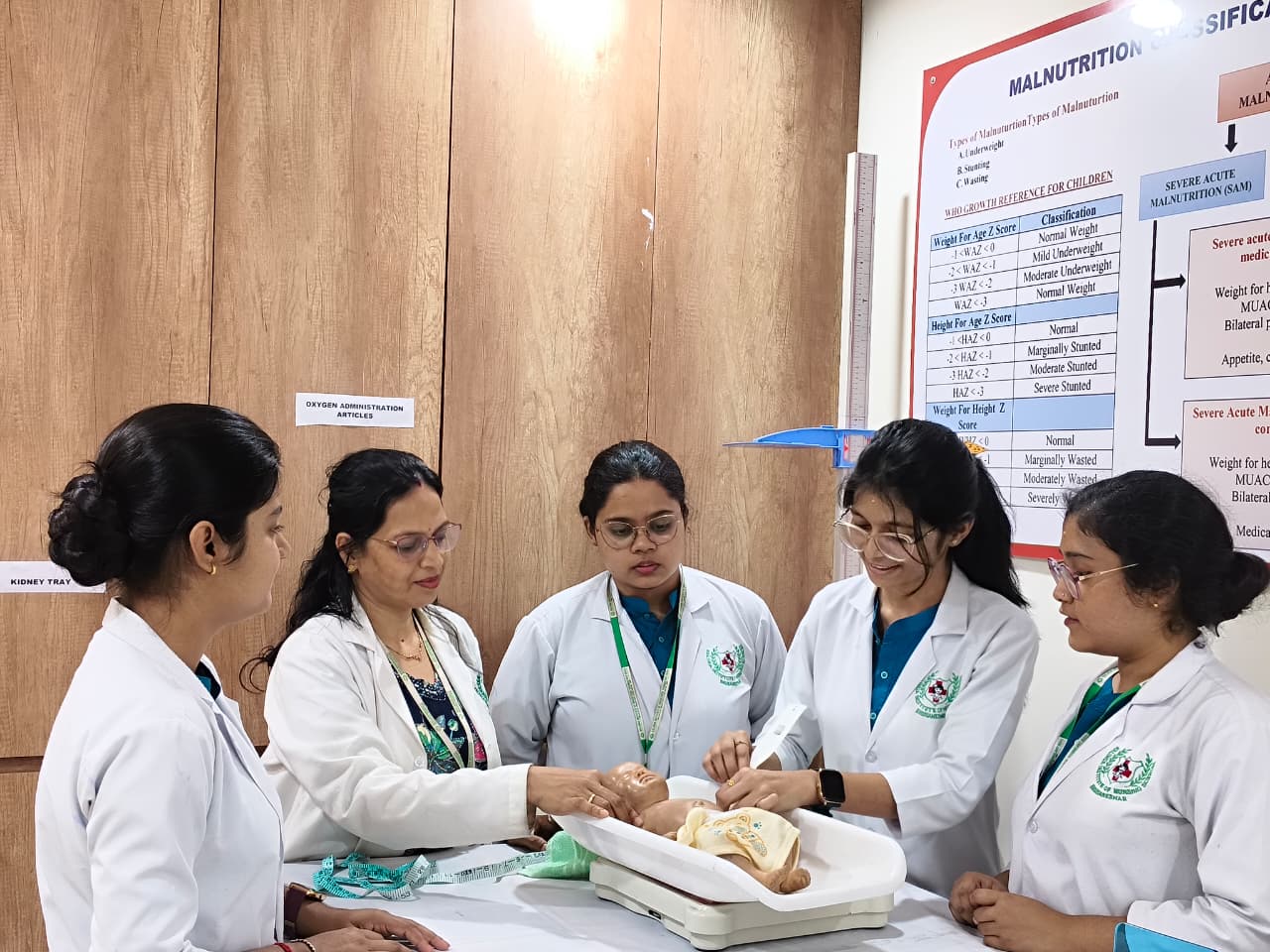
Our nursing college provides nursing students with an additional learning resource to meet their educational goals. The lab is equipped with supplies and equipment, including Paediatric and CPR mannequin. The lab provides students with a realistic, stimulated clinical environment to practice and demonstrate competency of selected nursing skills.
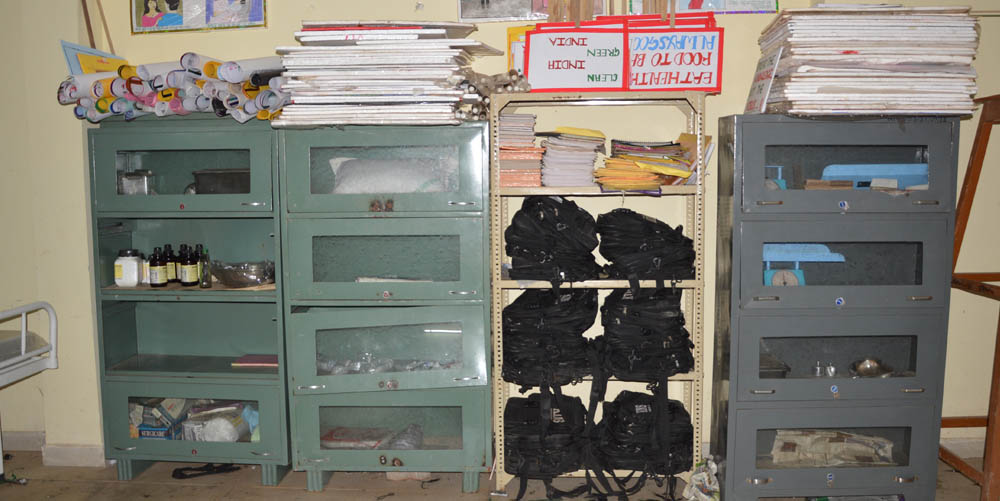
Clinical training in paediatric lab equips students with essential knowledge, skills and attitude needed to provide accurate, safe and comprehensive nursing care for normal child. Paediatric lab consists of Almirah which contains articles that are required to perform various procedures. The nursing students get demonstration from their teachers in the lab and then get skills for performing care in the clinical areas. The lab also consists of dummy’s on which the procedures are also demonstrated. Different types of exhibits, posters, displaying growth charts, immunization etc are also displayed. A separate section is designated to teach students regarding selection of playful material for different age groups.
OBJECTIVES
- To develop proficiency in child health nursing care
- To enhance knowledge of child growth and developmental milestones
- To prepare students for handling neonatal and paediatric emergencies
- To promote holistic, child-centered, and family-focused care
Learning Outcomes
After training in the laboratory, students are able to:
- Deliver safe and competent nursing care to children
- Apply theoretical knowledge in clinical scenarios
- Demonstrate effective communication with children and caregivers
- Respond promptly and efficiently in emergency situations
Facilities & Equipment
The laboratory is well equipped with advanced teaching and simulation resources, including:
- Paediatric and neonatal mannequins
- Infant warmers and resuscitation units
- Growth monitoring and developmental assessment tools
- Paediatric beds, cradles, and feeding aids
- Immunization training models
- Audio-visual teaching systems
- Practical TrainingStudents gain hands-on experience in:
- Assessment of infants and children
- Growth and development monitoring
- Immunization techniques
- Administration of paediatric medications
- Neonatal and paediatric emergency care
- Nutritional support and feeding practices
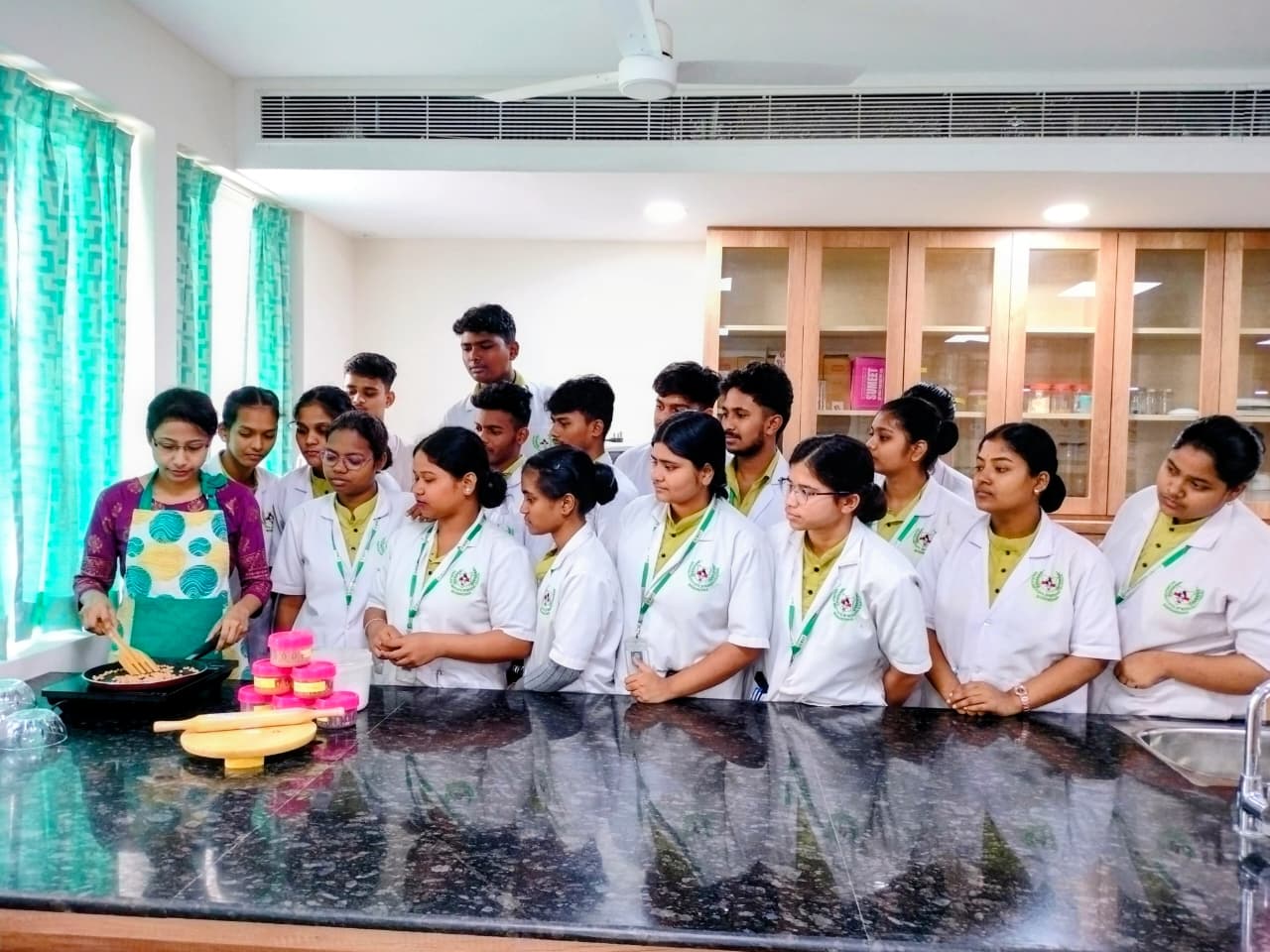
AIMS : To acquired knowledge of nutrition for maintenance of optimum health at different stages of life and its application for practice of nutrition.
OBJECTIVES
- To describe the relationship between nutrition and health.
- To describe the classification, functions, sources and recommended daily allowance of Carbohydrates.
- To describe the sources, Functions, and requirements of water and electrolytes.
- To describe various national programmes related to nutrition.
FACILITIES
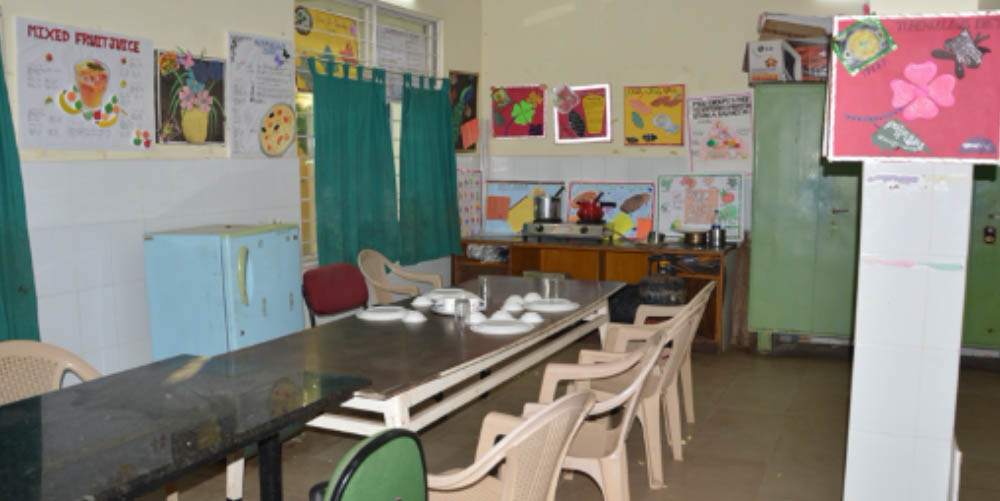
- We have well ventilated and well furnished nutrition Lab.
- We have facilities in nutrition Lab. Like glassware articles, refrigerator, Mixture, Dinner Set, Dinning Table with Chair, Table met, stove, weighting machine.
ACTIVITIES
- To introduce students about Cookery rules and Preservation of nutrients.
- To prepare and serve simple beverages and different types of foods.
- To aware about principles, methods of cooking and serving.
- To give knowledge regarding calculation of balance diet for different categories of people.
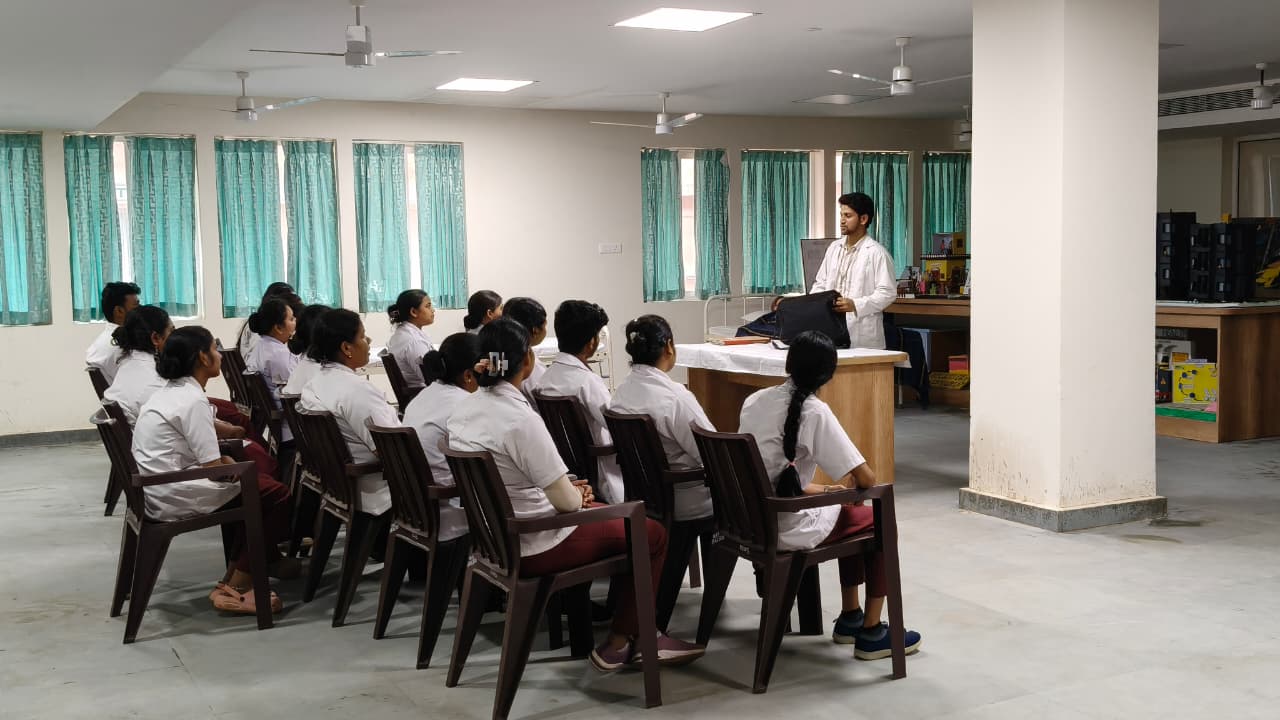
Community Health Nursing is the community oriented primary health care programme and the integration of community medicine with the primary health care of individual and community
AIMS : Students render comprehensive care to the individual family and community and develop centre understanding of rural community health management
OBJECTIVES
- Students render comprehensive care to the individual family and community.
- Students develop clinical skills.
- Students are able to involve in community participation.
- Students develop IPR with the village leaders, community and other agencies.
- Students organize, assist and conduct health camp.
- Students organize; assist conduct the school health and child health programme.
FACILITIES
- In our institute the community lab is proper equipped and well furnished with healthy environment of learning.
- The lab consists of the all equipment for providing the basic care in term of primary health care like community bag, Maternity kit and others.
- The lab is arranged in such a manner that the student of the nursing programme can practice the procedure and make their effective A.V aids by using various charts displayed in community health care and education programme for raising the health status of individual.
- The college is providing all the necessary articles to student for their better understanding.
Community Health Nursing Activities:
- Demonstration of procedures such as bag technique, wound dressing, urine sugar test, urine albumin test, intramuscular (IM) injection , and TPR (Temperature, Pulse, Respiration) monitoring.
- Preparation of posters and projects related to common community health problems to enhance students’ understanding and awareness.
- Training students to perform procedures effectively using the bag technique during home visits.
- Developing students’ skills in preparing a sterile tray for wound dressing and administering injections safely.
- Organizing school health programs in community settings to promote health awareness among children.
- Arranging in-service education programs for ASHA (Accredited Social Health Activist) workers and ANMs (Auxiliary Nurse Midwives) to update their knowledge and skills.
- Conducting national health programs to create awareness and promote preventive healthcare practices in the community.
- Organizing field trips for students to provide practical exposure and real-life community health experience.
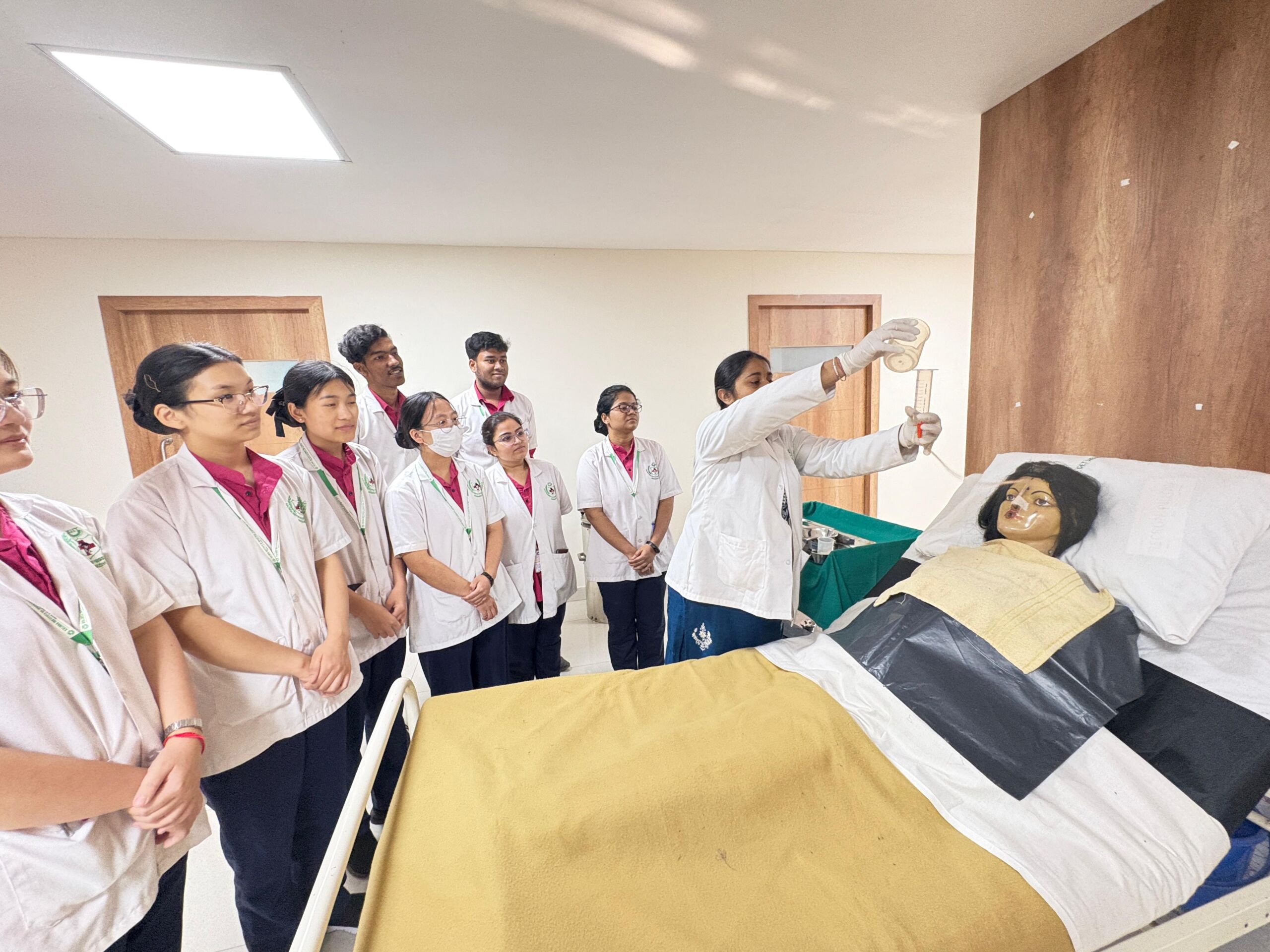
Nursing foundation lab is one which makes the imagination of hospital set up, and the students can study the procedures and all the things on dummy with the help of clinical instructors. These will help the students to reduce the stress and fear about the hospital environment.
AIMS
- To increase awareness among the students in the field of medicine to get a positive understanding between the doctor, nurse and patient in treating patient.
- For providing practical knowledge as a demonstration in the institutional set up itself without any barrier.
OBJECTIVES
- The actual part is attained if the students have imaginary set up of a fundamental lab.
- The teacher demonstrates the procedure of an environment in the hospital set up.
- The new students get direct experience to prepare themselves for hospital events.
- To explain the basic concept of conceptual and theoretical models of nursing.
FACILITIES
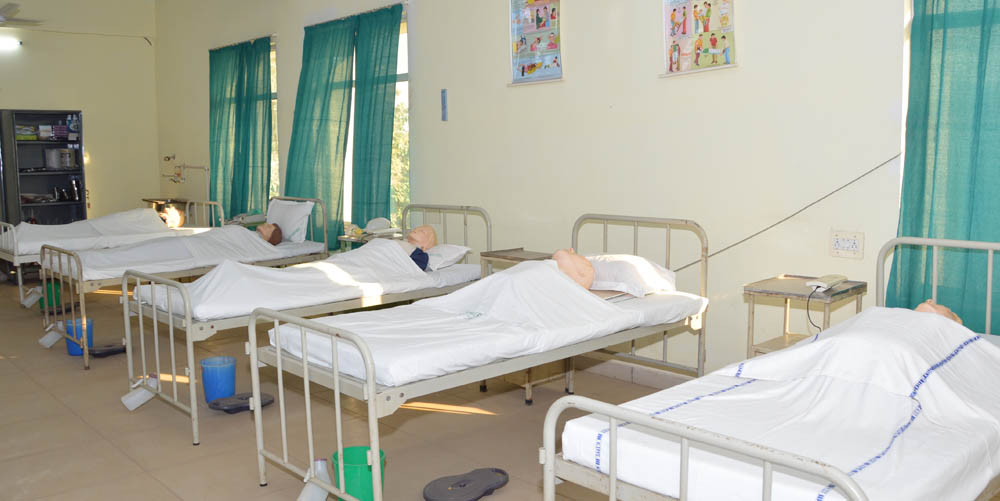
- The lab is well furnished and well ventilated with all the necessary equipment like patient beds, mattresses, bed sheets, bedside locker, linens and blankets, napkins and towels, bed cradle, cardiac table, wheel chair, stretcher, critical care unit( with O2 cylinder with flow meter, CPR dummy and Suction apparatus), different sizes procedure trays, and other instruments. And all the equipment are as per INC recognize and enough for each nursing courses.
- The lab also contains the manikin of three adult male and female as well as one new born. There is one dummy of hand with visible veins which is using to study the procedure of introducing IV cannula.
- There are some charts prepared by the 1st year B.Sc. Nursing students like types of O2 masks, injection sites, methods of medication administration, procedure of T.P.R B.P, nebulization procedure, first aid kit, etc. The models prepared by the 1st year students are kept in the lab like emergency tray, medication administration tray, ICU set up, and Hospital set up.
ACTIVITIES
- The students are doing all basic nursing procedures like bed bath, CPR, IV cannula insertion, IV therapy, Hair care, etc.
- They are used to study the instruments which are used in hospitals, tray set up, maintaining aseptic technique during the procedure, etc.
- They are allowed to issue the articles for the procedure. This all activities are done for encouraging the students to be a functional nurse.
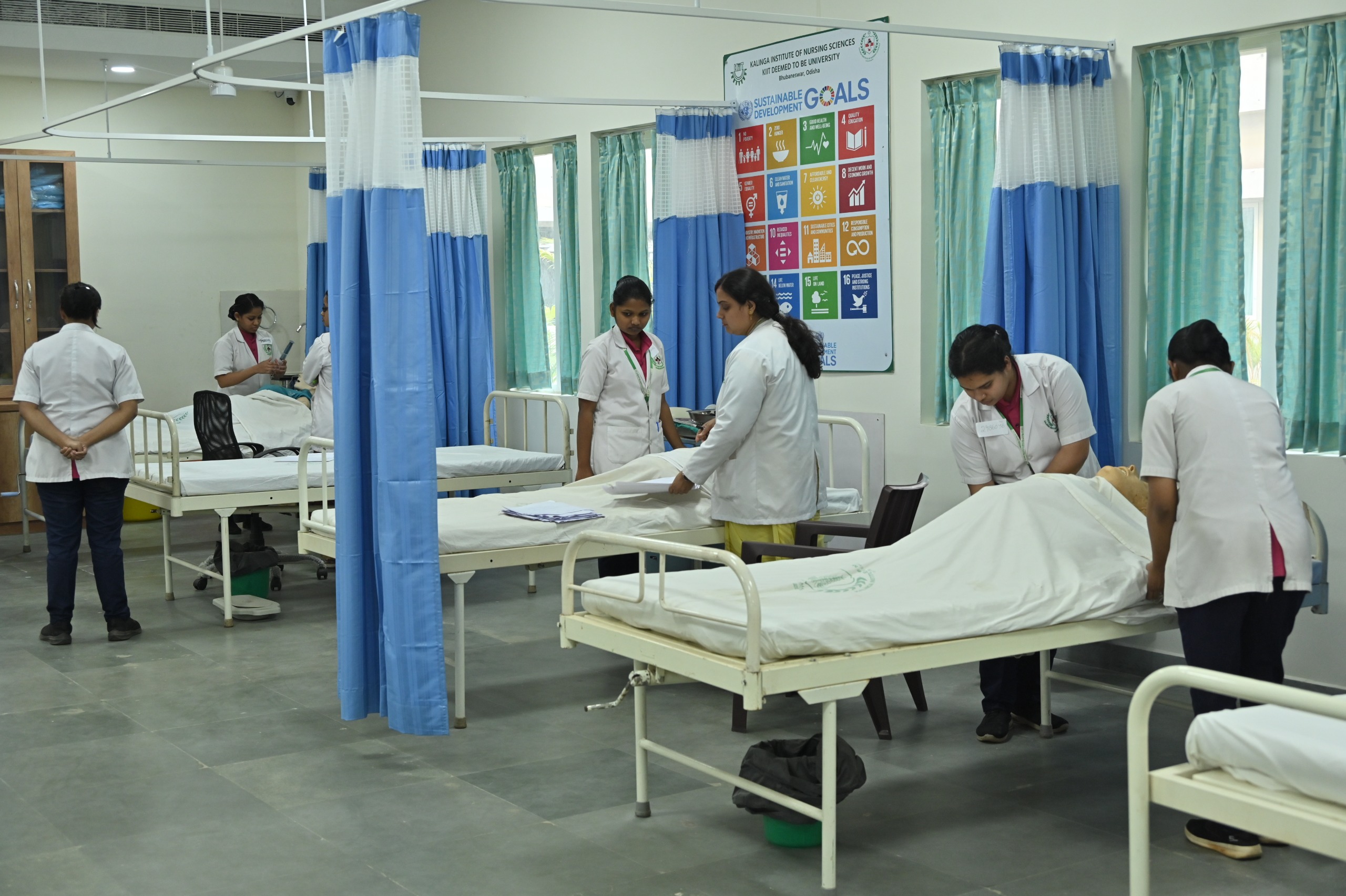
Aim : The medical/ surgical lab aims at teaching and training students the nursing skills necessary to provide comprehensive care for adult patients suffering from a variety of medical or surgical disorders.
OBJECTIVES
- Adult Health Assessment
- Cardiopulmonary Resuscitation
- Oral, Tracheal and Endotracheal Suctioning
- Endotracheal Incubation
- Tracheotomy Insertion and Care
- Oxygen Administration and use of AMBU Bag
- Nasogastric Tube Insertion, Feeding Through Nasogastric Tube
- Colostomy Care and Irrigation
- Urinary Catheterization
- IV Cannulation and Infusion Therapy
- Central Venous Line Insertion and CVP Monitoring
- Nebulization
- Wound Dressing etc
Activities
1. Basic Nursing Care
- Bed making (open, closed, occupied)
- Monitoring vital signs
- Personal hygiene care
2. Injection Practice
- Intramuscular (IM)
- Intravenous (IV)
- Subcutaneous (SC)
3. IV Therapy
- IV cannulation
- Fluid administration
- Calculation of flow rate
4. Wound Care
- Sterile dressing techniques
- Bandaging
5. Catheterization & Elimination Care
- Urinary catheterization
- Enema administration
6. Oxygen Therapy
- Oxygen administration
- Airway suctioning
7. Emergency Procedures
- CPR and Basic Life Support (BLS)
- First aid management
8. Positioning & Transfer
- Patient positioning (Fowler’s, Sims, etc.)
- Lifting and transferring techniques
9. Specimen Collection
- Urine, stool, and blood sample collection
10. Simulation-Based Learning
- Case scenarios
- Clinical decision-making exercises
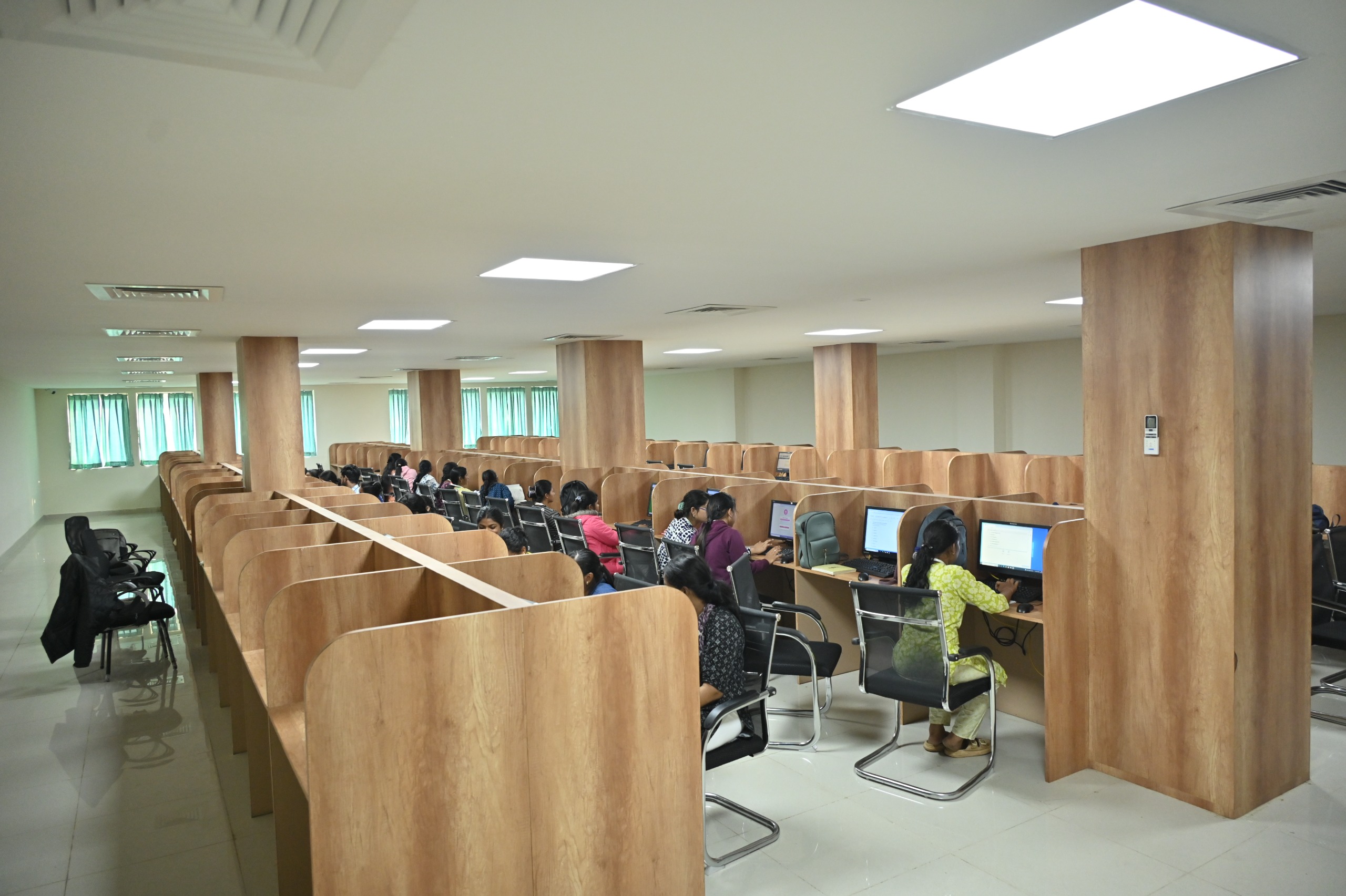
AIMS : To develop basic understanding of uses of computer and its Applications in nursing.
OBJECTIVES
- To identify and define various concepts used in computer.
- Identify application of computer in nursing.
- Identify features of computer aided teaching and testing.
- Demonstrate use of internet and email.
- Describe the use of hospital management system.
FACILITIES
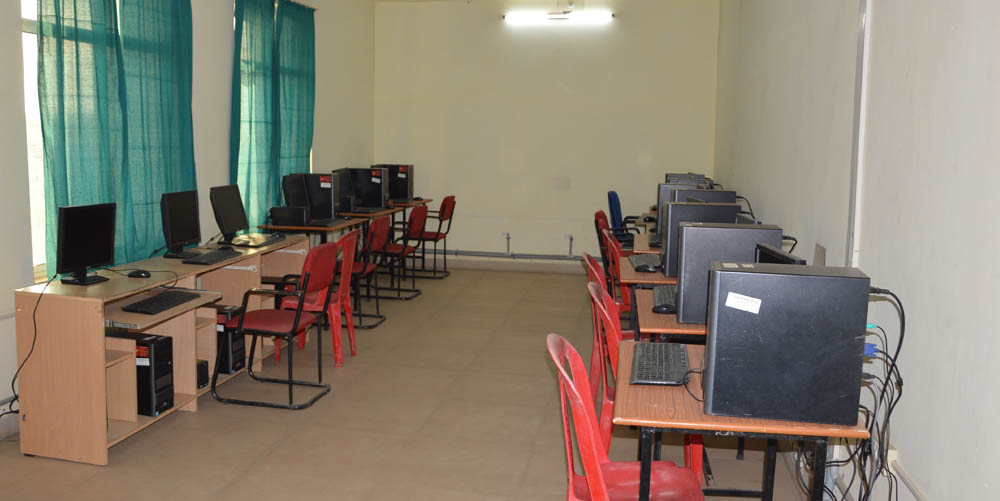
- We have a well furnished and well ventilated computer lab.
- There are sufficient chairs and air conditioning system is available.
- Internet facility is also available in our computer lab.
ACTIVITIES
- They are using the internet facility for reference purpose.
- They improve their knowledge in the application of computer in nursing.
- They improve their skills about computer.
- They improve their knowledge in hospital management system.
There is a separate Anatomy lab & AV Aids lab at nursing college having. The lab is equipped with full range of models, charts, specimens, etc.. Anatomy lab is very helpful in making the teaching realistic and interesting one. Anatomy lab aims at understanding the human anatomy, imparting microscopic view of its different parts. The lab is also supported with advanced facility from Anatomy Department of the Institute.
OBJECTIVES
- Acquaint students with Anatomy of various systems.
- Provide hands-on learning experiences as directed by the nursing curriculum.
- Reinforce learning and making it an easily comprehendible one
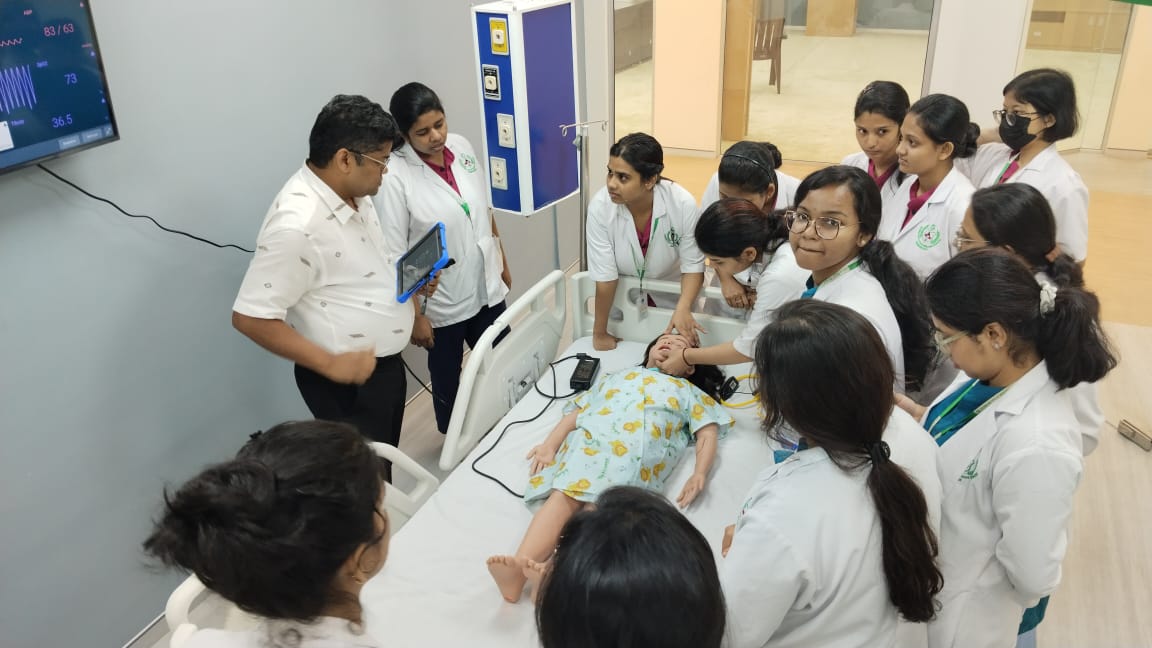
Introduction : The lab accommodates students by providing scheduled times for both skill practice and patient-specific preparation in all the specialties. The Lab has an abundance of resources and equipment to enhance both student teaching and learning. They are developed from a strong knowledge base, a review of relevant references, rehearsal and practice as well as repeated performance and debriefing by teaching staff.
Objectives
- Foster and reinforce learning using simulation technology and related resources.
- Provide hands-on learning experiences specific to course objectives as directed by the nursing curriculum.
- Foster independent student learning opportunities, which promote a model for life- long learning.
Increase preparedness for dealing with high acuity cases in all the specialties
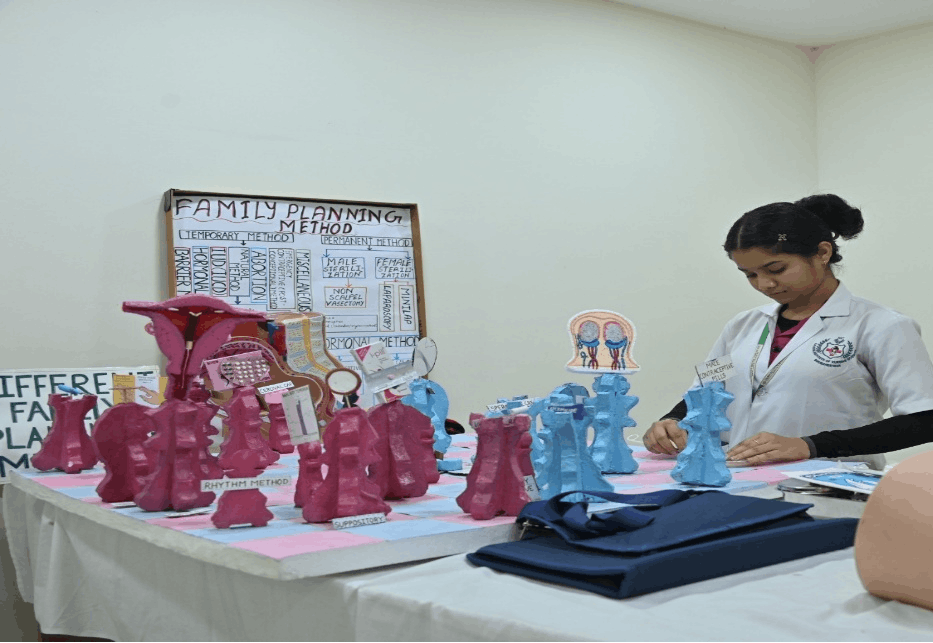
The OBG Nursing Lab trains students in maternal and newborn care, including antenatal, intranatal, postnatal, and neonatal procedures. Simulation-based learning helps students understand childbirth processes and women-centered care practices.
Laboratory